Why do waves break at the shore?

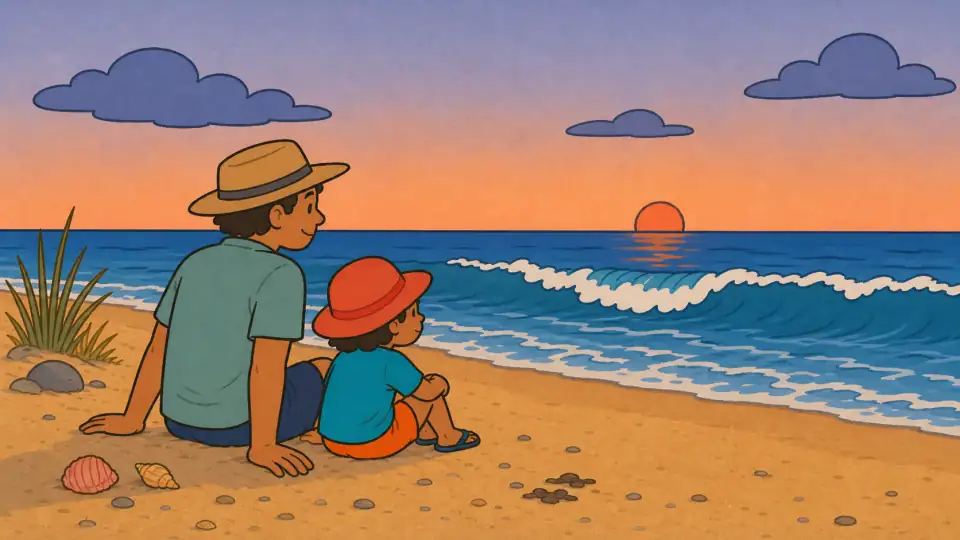
Out where the swimmers are, the water just lifts you up and down. But right at the beach, every wave curls over and crashes into white foam. What changes?

1Two things to know first

Water circles, and the bottom can grab it

You need two small ideas. Watch each one happen:

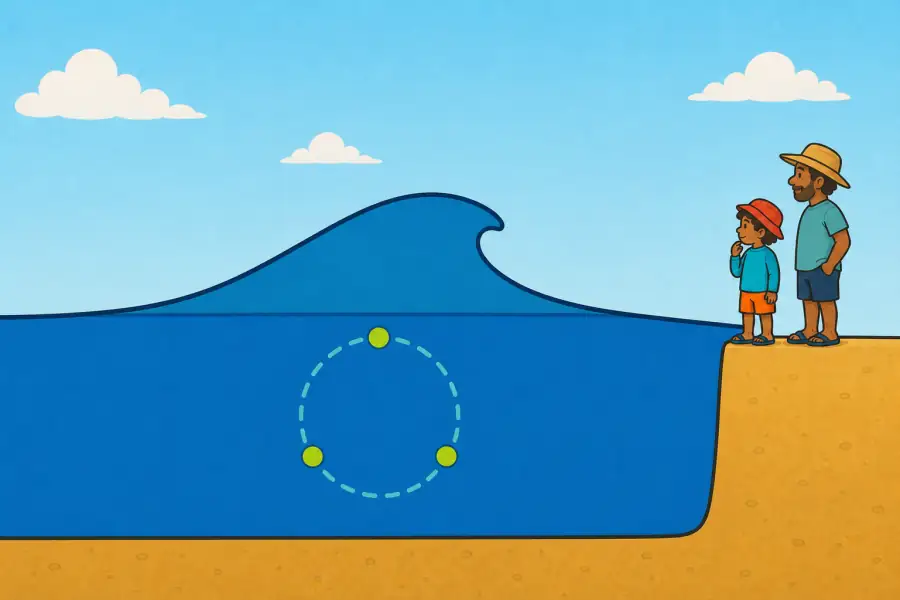
Water goes in circles

A wave doesn't carry the water along β€” each blob of water just rolls in a little circle as the wave shape passes through.

The bottom drags

Those circles reach deep down. When the seafloor gets close, it scrapes the bottom of the circle and slows that water down.

2Deep water vs. shallow water

Same wave β€” two very different rides

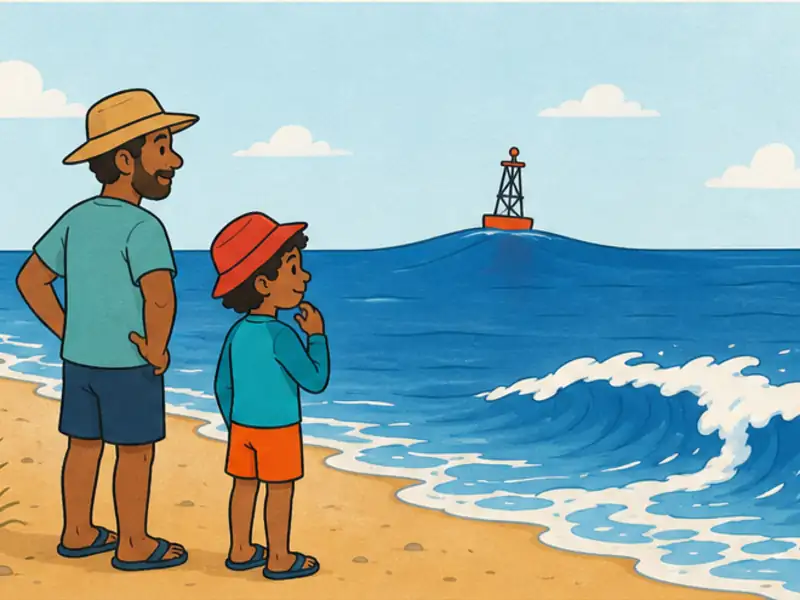
Out in deep water 🌊

The bottom is far away, so the circles spin freely. The wave just rolls past and lifts boats up and down. No crash.

Near the shallow beach πŸ–οΈ

The bottom is right there, dragging the base of the wave. Something has to give… keep this in mind.

3Send a wave toward the beach

Move it from deep to shallow water

Here's a side view: deep water on the left, a beach rising on the right. Press send and follow one wave. Watch how it rolls smoothly while it's deep β€” and how the bottom starts to grab it as the water gets shallow.

In deep water the whole wave moves together. Closer to shore, the bottom of the wave starts dragging while the top keeps going β€” that's the first sign of trouble.

4Now predict the crash

Why does a smooth wave suddenly curl over?

Out deep, a wave rolls along calmly β€” boats bob but don't tip. Then the very same wave reaches the beach and curls into white foam. Guess what makes it break, then set the beach and watch.

Guess before you watch

What makes that calm deep-water wave suddenly curl over and crash at the shore?