Why do tightrope walkers carry a long pole?
Did this make sense?
Your thumbs help us make it clearer.
Thanks! That helps us make it clearer.
See it another way
Why Do Tightrope Walkers Carry Long Poles when Walking on A Rope?
See how spreading a pole’s mass far from the pivot slows a tip, giving the walker time to correct.
Requires internet. You’re leaving Clickory in a new tab; YouTube may show ads or recommendations.
Keep going
What else makes you wonder?
Why does spreading the same weight farther out slow a wobble down, when the amount of weight never changed?
Use the story’s model. Change one thing, predict first, then imagine a matched test.
Is there a pole so long it would actually start to hurt the walker instead of help?
Use the story’s model. Change one thing, predict first, then imagine a matched test.
Do animals with long tails, like cats or squirrels, use them the way a walker uses a pole?
Use the story’s model. Change one thing, predict first, then imagine a matched test.
More to explore
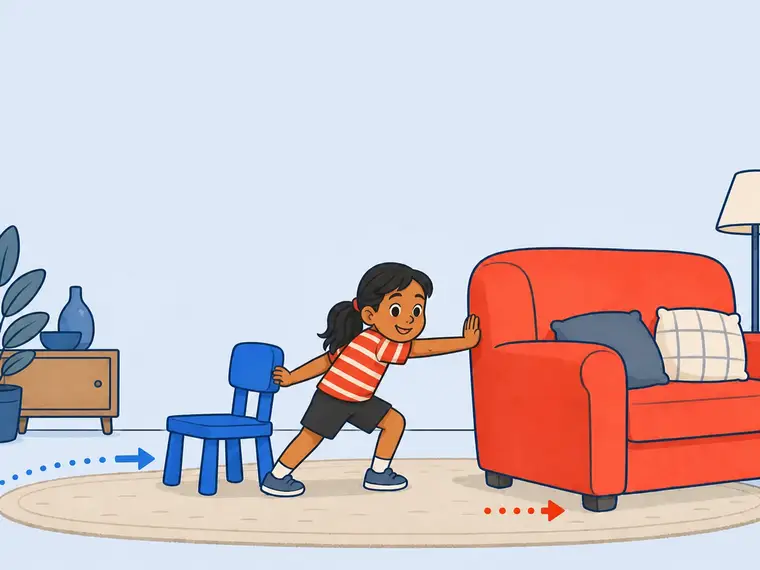
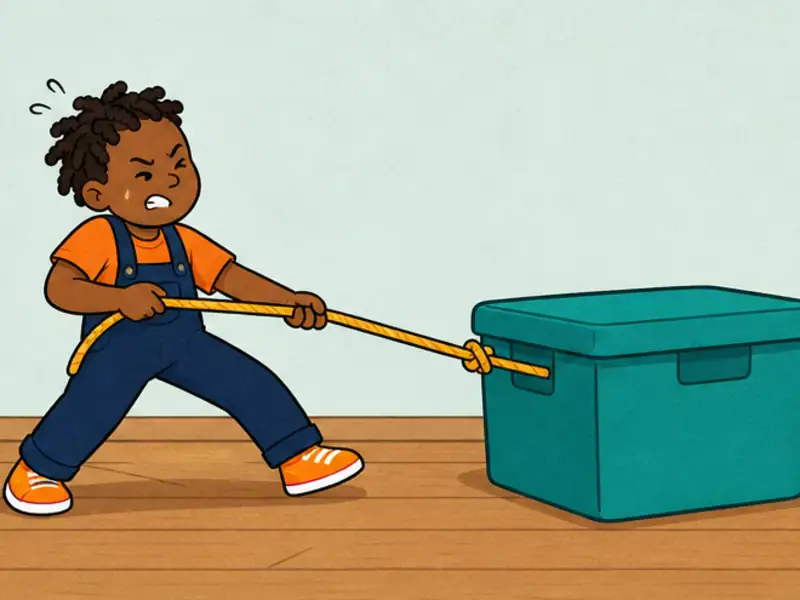
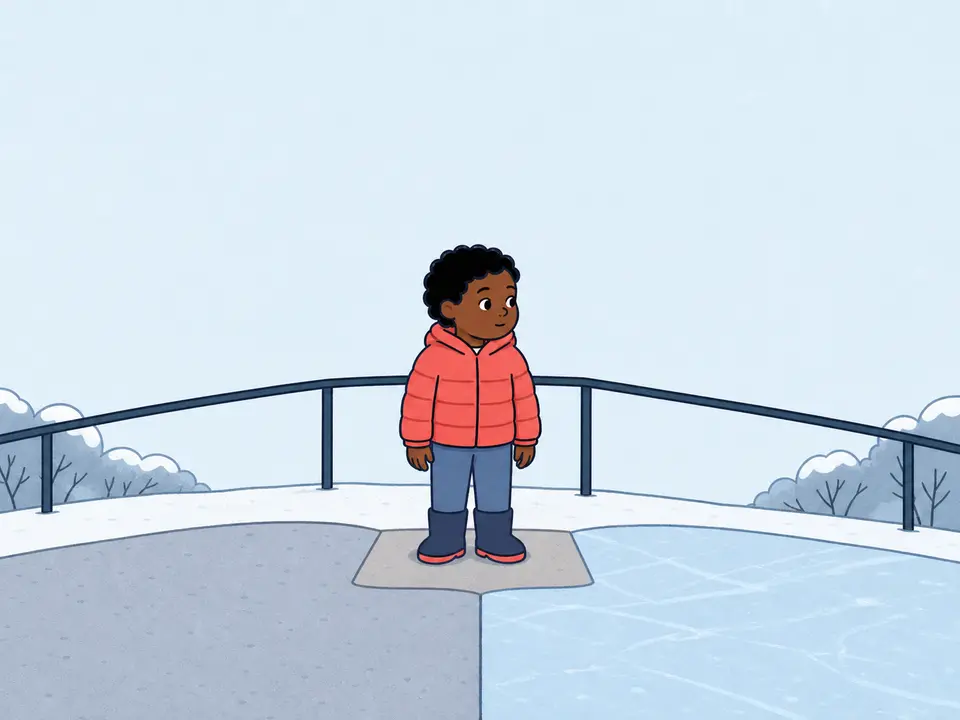
After you watchWhy do tightrope walkers carry a long pole?
The short answer
A tightrope walker's long pole doesn't hold them down — it spreads their weight far out to the sides. That makes them tip over in slow motion when they get pushed, which gives them the extra split-second they need to lean back and catch the wobble before they fall.
Try this next
- What if you make the pole longer and longer — does the wobble keep slowing down forever? Stretch the pole to its longest in the experiment, give the same push, and predict before you watch: does each extra bit of length slow the tip as much as the first bit did?
- What if the push comes from the side instead of straight on? Aim a sideways nudge at the walker and guess first whether the pole still buys the same catching time, then watch which way the wobble grows.
The whole story
How it works
On a wire, a tiny push starts you tipping, and the longer you tip the faster you fall. Anything with its weight spread far out from the middle is harder to swing or turn than the same weight bunched up close. A long pole reaches the walker's weight way out to both sides, so the same little push tips them much more slowly. A slow wobble is a catchable wobble: the walker has time to shift their balance and pull upright, and they can also tilt the pole one way to nudge their body the other way.
What people get wrong
People often think the pole helps because it is heavy and weighs the walker down, or that staying on the wire is purely a matter of skill and reflexes. Really, what matters is how far the weight reaches out to the sides, not just how heavy it is. A long, fairly light pole helps more than a short heavy one, because spreading weight outward is what slows the tipping. The pole doesn't replace skill — it buys the walker enough time for their skill to work.
The catch
A long pole slows the tip so the walker can recover, but it is tiring to hold out and it catches the wind, so a sudden gust can shove it around. No pole leaves the arms free and light, but then a tiny wobble grows almost instantly and there is barely any time to fix it. Walkers pick a pole long enough to slow the wobble without being too heavy or too gusty to manage.
Questions kids ask
Does a heavier pole work better than a lighter one?
Not by itself. What slows the tipping is how far the weight reaches out to the sides, not just how heavy the pole is. A long, fairly light pole usually helps more than a short heavy one, because length spreads the weight far from the middle.
Why do the poles bend and droop at the ends?
A long pole is heavy enough that it sags under its own weight, and walkers often want it long rather than stiff. The droop also pulls some weight a little lower, which helps stability a bit, but the main job of the pole is its length spreading weight outward.
Could you balance just as well with your arms out wide?
Holding your arms out does help a little for the same reason, but your arms are short and not very heavy, so they spread far less weight than a pole that can be many times your arm span. The pole simply reaches much farther.
If the pole slows the wobble, why doesn't the walker just stand still?
Small pushes from wind, the wire flexing, and the walker's own steps never fully stop, so there is always a little wobble. The pole does not remove the wobble; it slows how fast each wobble grows so the walker has time to correct it.
Talk about it
- If the pole were twice as long but just as heavy, do you think it would help more, less, or the same — and why?
- What's something else that's easier to spin when it's tucked in and harder to spin when it's stretched out wide?
For grown-ups
The pole increases the walker's moment of inertia about the wire. Rotational inertia grows with mass times distance squared, so reaching mass far out to the sides matters much more than simply adding weight near the body. For the same toppling torque from a small lean, a larger moment of inertia produces a smaller angular acceleration, so the fall develops more slowly and the reaction-time window grows. A long pole also slightly lowers the combined center of mass and can be counter-rotated to push the body back upright, but the dominant effect is the slowed angular acceleration.